



Parasite
Antiparasitics are a class of medications which are indicated for the treatment of parasitic diseases such as nematodes, cestodes, trematodes, and infectious protozoa.
Parasite Isoform Specific Products
All Product Categories
-
Parasite Related Products (2499)
Related Products (2499)

-
Related Compound Screening Libraries (1)
-
Parasite Isoform Comparison
-
Pentamidine dimesylate
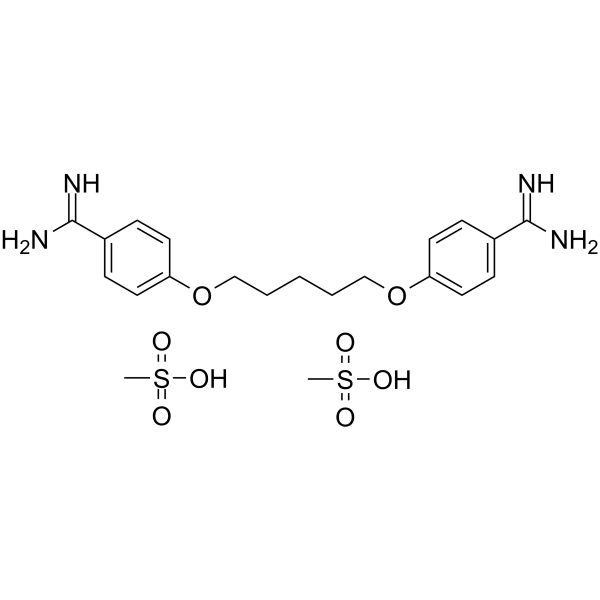 0 ImagesPentamidine (MP-601205) dimesylate is an antimicrobial agent and interferes with DNA biosynthetics. Pentamidine dimesylate inhibits parasite Leishmania infantum with an IC50 of 2.5 μM. Pentamidine dimesylate is a potent and selective protein tyrosine phosphatases (PTPases) and phosphatase of regenerating liver (PRL) inhibitor. Pentamidine dimesylate has the potential for Gambian trypanosomiasis, antimony-resistant leishmaniasis, and Pneumocystis carinii pneumonia treatment. Antitumor and antibacterial activities.
-
CWHM-1552
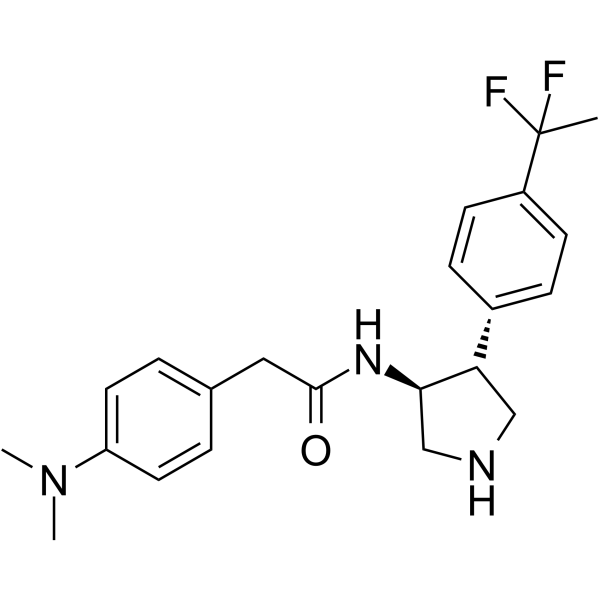 0 ImagesCat. No.: HY-128354CAS No.: 2368253-58-9CWHM-1552 is an orally efficacious inhibitor of P. falciparum with IC50s of 51 nM and 53 nM for 3D7 and Dd2 strain, respectively.
-
Pafuramidine maleate
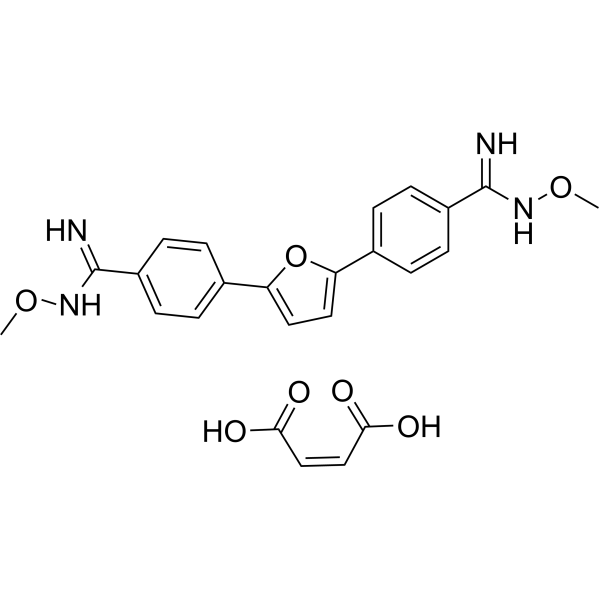 0 ImagesCat. No.: HY-14932ACAS No.: 837369-26-3Synonyms: DB289 maleatePafuramidine (maleate) (DB289 (maleate)) is an orally active proagent of Furamidine (HY-110137A). Pafuramidine (maleate) (DB289 (maleate)) is a potent anti-parasitic agent, can be used to research trypanosomiasis, Pneumocystis pneumonia and malaria.
-
NPD-1335
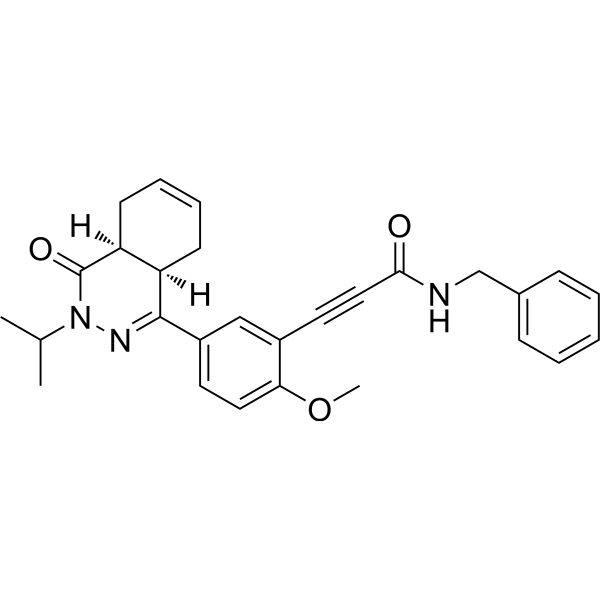 0 ImagesNPD1335 is a Trypanosoma brucei phosphodiesterase B1 (TbrPDEB1) inhibitor with submicromolar activities against T. brucei parasites. NPD1335 displays a greatly improved cytotoxicity profile. NPD1335 increases intracellular cAMP levels and results in the distortion of the cell cycle and cell death. NPD-1335 is a click chemistry reagent, it contains an Alkyne group and can undergo copper-catalyzed azide-alkyne cycloaddition (CuAAc) with molecules containing Azide groups.
-
Enfiborole
 0 ImagesCat. No.: HY-184074CAS No.: 2152662-88-7Enfiborole is an oxaborolane ester inhibitor with trypanocidal activity against parasites. Enfiborole displays IC50 values ≤ 20 nM against Trypanosoma brucei and Trypanosoma cruzi, and its IC50 against replicating trypanosomes ranges from 21 to 999 nM. Enfiborole inhibits the growth of Trypanosoma brucei, suppresses hypoxanthine incorporation in replicating trypanosomes, and inhibits the growth of Trypanosoma cruzi amastigotes. Enfiborole can be used in studies related to trypanosome infections.
-
DSM705
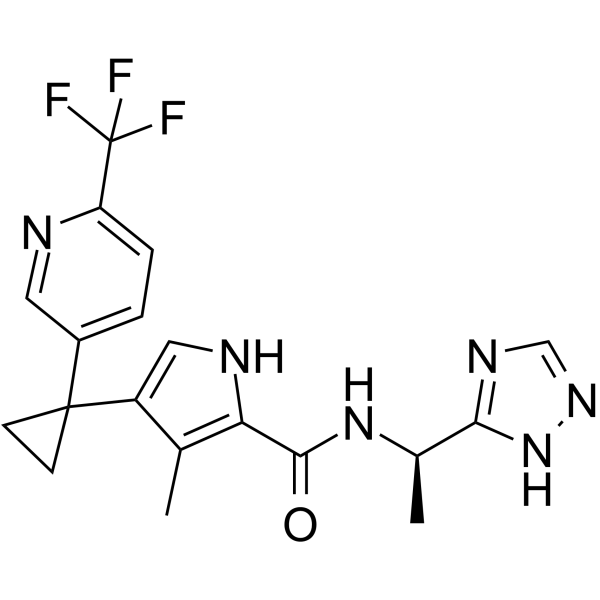 0 ImagesCat. No.: HY-132171CAS No.: 2653225-38-6DSM705 is a pyrrole-based Dihydroorotate Dehydrogenase (DHODH) inhibitor. DSM705 exhibits nanomolar potency against Plasmodium DHODH and Plasmodium parasites, with no inhibition of mammalian DHODHs. DSM705 is a potent antimalarial compound.
-
Halofuginone hydrochloride
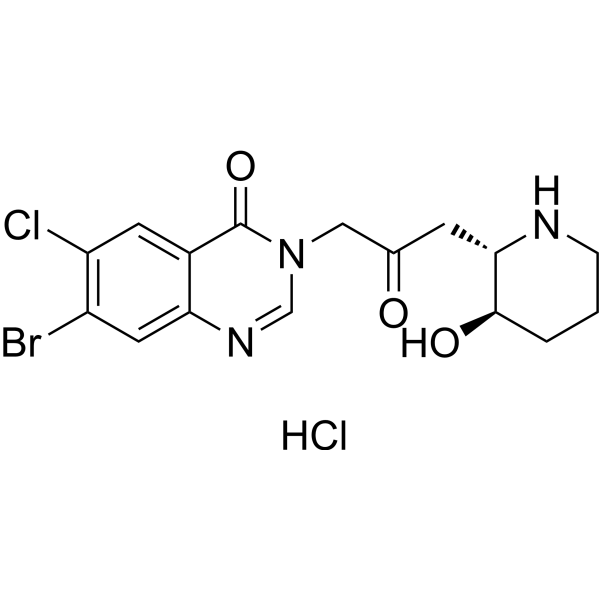 0 ImagesCat. No.: HY-N1584BCAS No.: 1217623-74-9Synonyms: RU-19110 hydrochlorideHalofuginone hydrochloride (RU-19110 hydrochloride), a Febrifugine derivative, is a competitive prolyl-tRNA synthetase inhibitor with a Ki of 18.3 nM. Halofuginone hydrochloride is a specific inhibitor of type-I collagen synthesis and attenuates osteoarthritis (OA) by inhibition of TGF-β activity. Halofuginone hydrochloride is also a potent pulmonary vasodilator by activating Kv channels and blocking voltage-gated, receptor-operated and store-operated Ca2+ channels. Halofuginone hydrochloride has anti-malaria, anti-inflammatory, anti-cancer, anti-fibrosis effects.
-
Niclosamide sodium
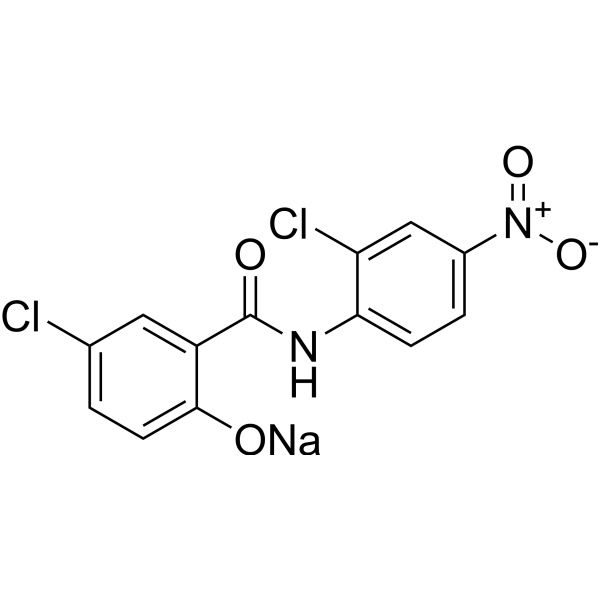 0 ImagesCat. No.: HY-B0497ACAS No.: 40321-86-6Synonyms: BAY2353 sodium
-
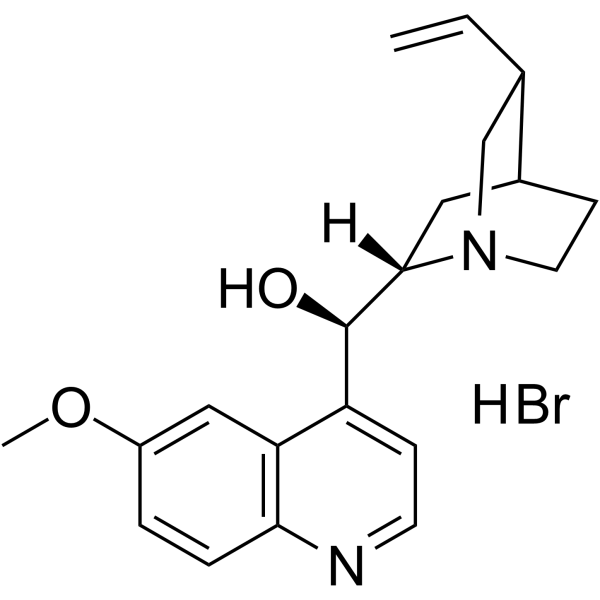
Quinine hemisulfate
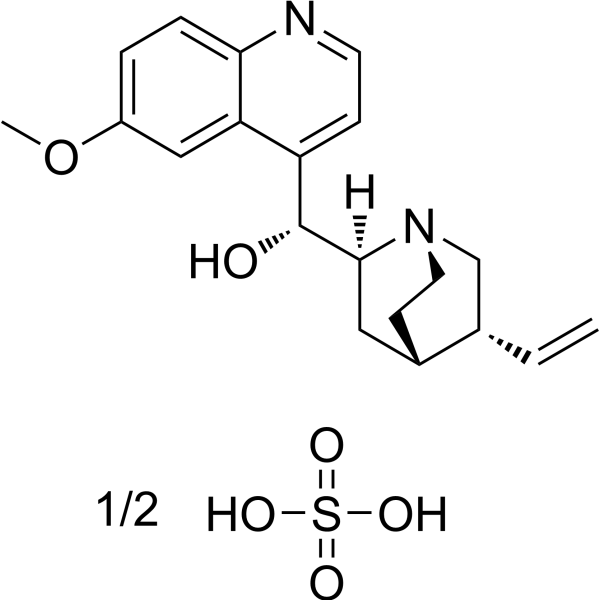 0 ImagesQuinine hemisulfate is an orally active alkaloid extracted from cinchona bark and can be used in anti-malarial studies. Quinine hemisulfate is a potassium channel inhibitor that inhibits WT mouse Slo3 (KCa5.1) channel currents evoked by voltage pulses to +100 mV with an IC50 of 169 μM.
-
Secnidazole-d6
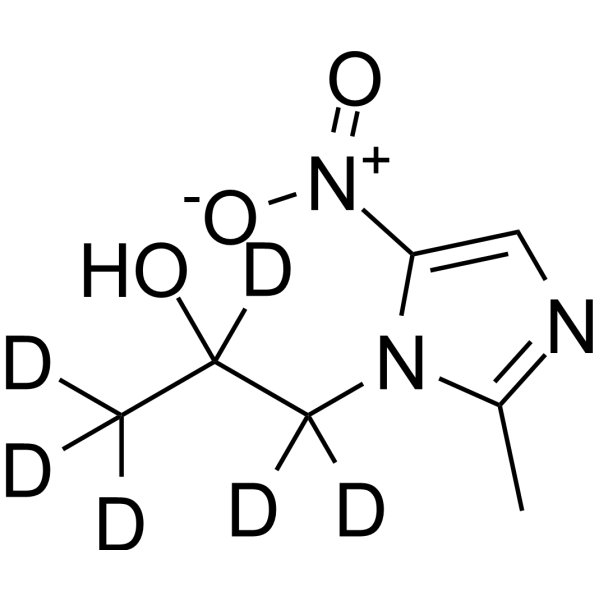 0 ImagesCat. No.: HY-B1118SCAS No.: 1346603-27-7Synonyms: RP-14539-d6; PM-185184-d6Secnidazole-d6 is the deuterium labeled Secnidazole. Secnidazole (RP-14539;PM-185184) is an orally active azole antibiotic with a longer half-life than metronidazole (HY-B0318). Secnidazole is against the vaginosis-associated bacteria and has the potential for bacterial vaginosis research.
-
Cambendazole-d7
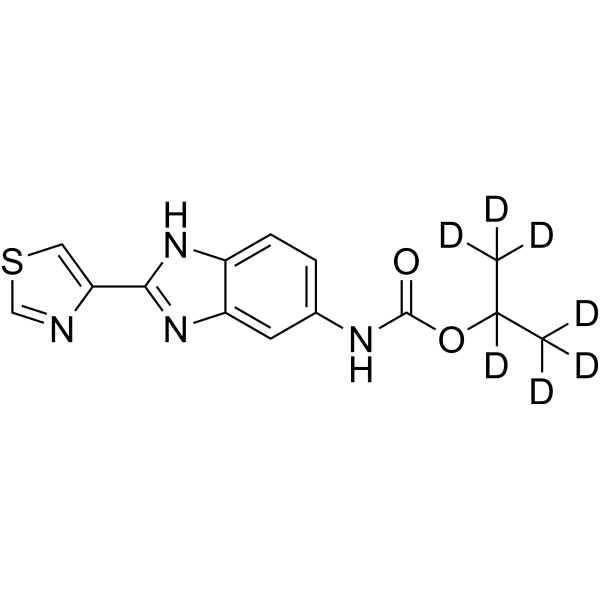 0 ImagesCat. No.: HY-107483SCAS No.: 1228182-48-6Cambendazole-d7 is the deuterium labeled Cambendazole.
-
Hydroxymetronidazole-d4
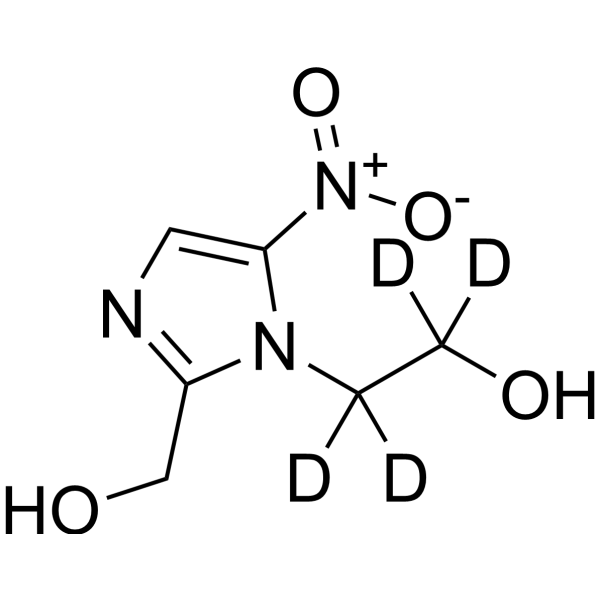 0 ImagesCat. No.: HY-136440SCAS No.: 1215071-08-1Synonyms: Metronidazole-OH-d4Hydroxymetronidazole-d4 is the deuterium labeled Hydroxymetronidazole. Hydroxymetronidazole (Metronidazole-OH) is a metabolite of Metronidazole belonging to the class of nitroimidazoles. Hydroxymetronidazole can be used for the research of certain bacterial and protozoal diseases in poultry, swine dysentery and genital trichomoniasis in cattle.
-
Desethyl chloroquine-d4
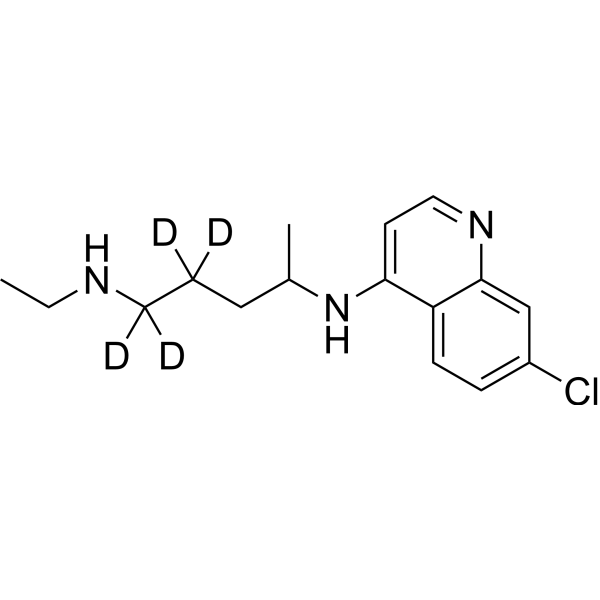 0 ImagesCat. No.: HY-135811SCAS No.: 1189971-72-9Desethyl chloroquine-d4 is the deuterium labeled Desethyl chloroquine. Desethyl chloroquine is a major desethyl metabolite of Chloroquine. Chloroquine diphosphate is an inhibitor of autophagy and toll-like receptors (TLRs). Desethyl chloroquine possesses antiplasmodic activity.
-
Dihydroartemisinin-d3
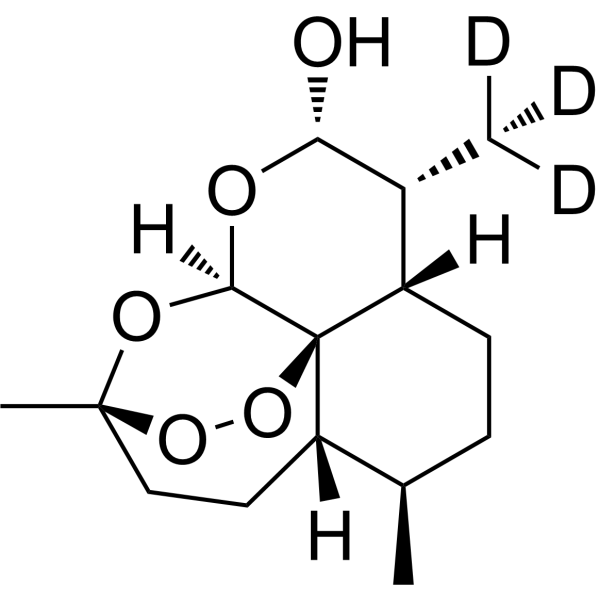 0 ImagesCat. No.: HY-N0176SCAS No.: 176774-98-4Synonyms: Dihydroqinghaosu-d3; β-Dihydroartemisinin-d3; Artenimol-d3Dihydroartemisinin-d3 (Dihydroqinghaosu-d3) is the d3-labeled Dihydroartemisinin (HY-N0176). Dihydroartemisinin is an orally active metabolite of rtemisinin (HY-B0094) and antimalarial agent. Dihydroartemisinin induces Autophagy by inhibiting NF-κB activation. Dihydroartemisinin promotes ROS accumulation. Dihydroartemisinin exhibits anticancer activity in esophageal cancer cells. Dihydroartemisinin shows schistosomicidal activity against juvenile and adult worms of Schistosoma japonicum, reduces worm burden, and displays antiparasitic activity. Dihydroartemisinin can be used in research related to multiple myeloma, promyelocytic leukemia, esophageal cancer, and Schistosoma japonicum infection.
-
Cycloguanil-d4 (hydrochloride)
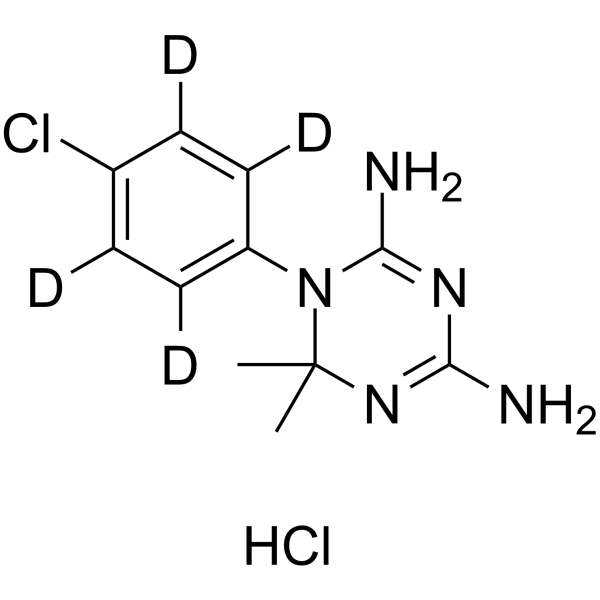 0 ImagesCat. No.: HY-12784ASCAS No.: 1189427-23-3Synonyms: Chlorguanide triazine-d4 hydrochlorideCycloguanil-d4 (Chlorguanide triazine-d4) hydrochloride is the deuterium labeled Cycloguanil hydrochloride (HY-12784A). Cycloguanil hydrochloride is a dihydrofolate reductase (DHFR) inhibitor with an IC50 of 10.8 μM against human DHFR. Cycloguanil hydrochloride blocks the folate metabolic pathway, thereby affecting nucleotide synthesis and interfering with DNA replication. Cycloguanil hydrochloride inhibits DHFR in Plasmodium and is thus used in malaria research. Cycloguanil hydrochloride also potently inhibits DHFR in human cancer cells and blocks the transcriptional activity of STAT3, thereby exhibiting anticancer activity.
-
Albendazole-d7
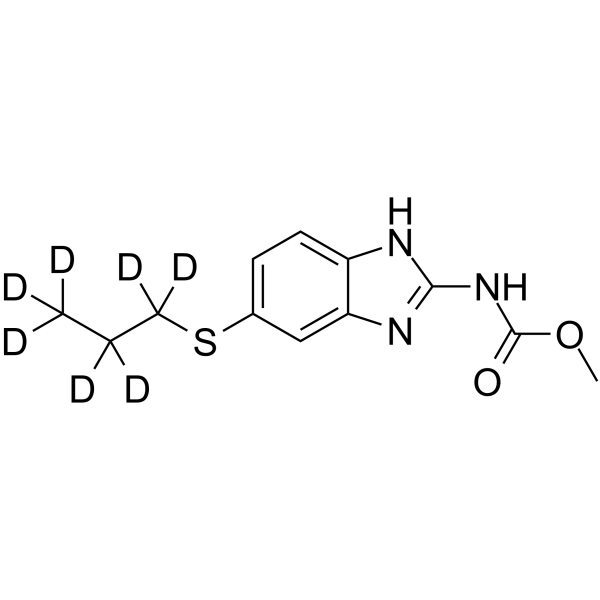 0 ImagesCat. No.: HY-B0223S2CAS No.: 1287076-43-0Synonyms: SKF-62979-d7Albendazole-d7 is the deuterium labeled Albendazole. Albendazole is a broad-spectrum parasiticide with high effectiveness and low host toxicity. Albendazole is used for the research gastrointestinal parasites in humans and animals.
-
Atovaquone-d5
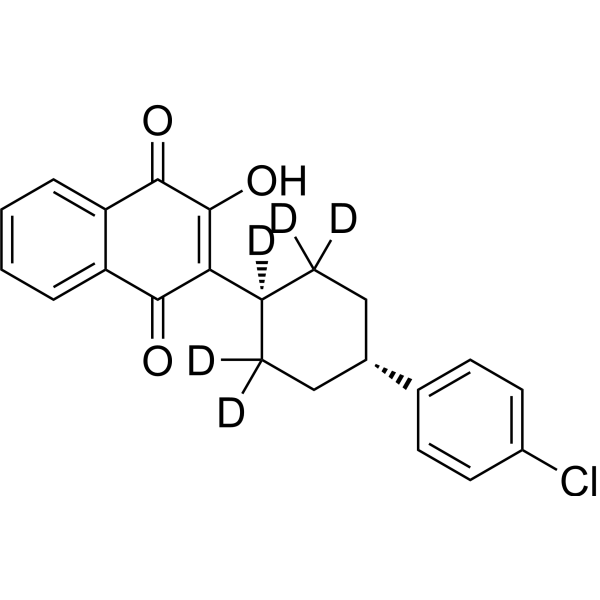 0 ImagesCat. No.: HY-13832S2CAS No.: 1329792-63-3Synonyms: Atavaquone-d5Atovaquone-d5 is the deuterium labeled Atovaquone. Atovaquone (Atavaquone) is a potent, selective and orally active inhibitor of the parasite’s mitochondrial cytochrome?bc1?complex. Atovaquone is against human and ?P. falciparum?cytochrome?bc1?activity with IC50 values of 460 nM and 2.0 nM, respectively. Atovaquone is an antimalarial agent and has the potential for the investigation of neumocystis pneumonia, toxoplasmosis, malaria, and babesia.
-
Carbosulfan-d18
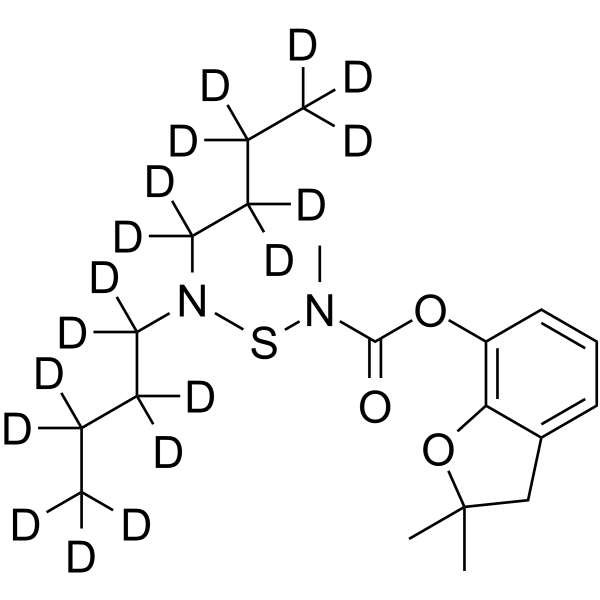 0 ImagesCat. No.: HY-B2015SCAS No.: 1189903-75-0Carbosulfan-d18 is the deuterium labeled Carbosulfan. Carbosulfan is an orally active AChE inhibitor that hydrolyzes to Carbofuran in organisms to exert insecticidal effects. Carbosulfan exhibits broad-spectrum insecticidal activity, and it also induces severe oxidative stress by enhancing lipid peroxidation and impairing the antioxidant defense system. Carbosulfan causes reproductive toxicity in male rats and developmental disorders in their offspring. Carbosulfan shows persistence in paddy field environments and potential hazards to non-target organisms, and it is commonly used in studies related to reproductive toxicity and environmental risk assessment.



